

Welcome to Connected Roots Therapy
Our Story

Welcome!
Hi, I’m Sara (she/her), the owner and Clinical Director of Connected Roots Therapy.
Connected Roots Therapy was built from a desire to support children, teens, and families in a way that feels truly relational, compassionate, and meaningful. What began as a solo private practice has grown into a collaborative group practice here in Ottawa, where we are focused on creating a space where folks feel understood, supported, and more grounded in their daily lives.
Today, I’m proud to work alongside a team of thoughtful, skilled therapists who share a commitment to connection, resilience, and real-life support. As we continue to grow, our vision is to expand access to mental health support for children and families—especially those navigating Type 1 Diabetes, adoption and permanency journeys.
My own lived experience also shapes the development of our practice and of our work. Since being diagnosed with Type 1 Diabetes as an adult, I’ve come to understand that living with a chronic illness affects far more than physical health, it influences emotions, relationships, identity, and family life. I also volunteer each summer at Diabetes Canada D-camps as a camp Social Worker, which continues to inspire and inform the direction of the practice.
Our name reflects what matters most to us. Connected Roots Therapy represents the belief that when people experience safe, supportive relationships, they develop the strong roots needed to navigate life's challenges and continue to grow. We believe healing is not about fixing people, it's about creating the conditions where connection, resilience, and hope can flourish.
Whether you're seeking support for yourself, your child, or your family, we're honoured to walk alongside you.
Who We Are
-
At Connected Roots Therapy, we walk alongside children, teens, and families with compassion and understanding, with specialized support for those navigating Type 1 Diabetes, adoption, and permanency journeys. Together, we build connection, safety, and resilience for everyday life.
-
Connection First
We believe healing happens in the context of safe, supportive relationships. We prioritize connection before correction and recognize relationships as the foundation for growth and change.Compassion
Every person has a unique story. We meet children, teens, adults, and families with empathy, curiosity, and respect, creating a space where they feel seen, heard, and valued.Attachment & Trauma-Informed Care
Our work is grounded in an understanding of how relationships, early experiences, trauma, and the nervous system shape development and well-being. We support healing by fostering safety, trust, and secure relationships.Caregiver Partnership
Children thrive when their caregivers feel supported. We work alongside parents and caregivers as essential partners in the therapeutic process, recognizing that meaningful change happens together.Inclusivity & Belonging
We are committed to providing affirming, culturally responsive, and accessible care where every individual and family feels welcomed, respected, and empowered.Growth & Resilience
We believe every child, teen, adult, and family has the capacity for growth. By building on strengths and nurturing resilience, we help families move toward greater confidence, connection, and well-being. -
We envision a community where children, teens, and families feel deeply connected, emotionally safe, and empowered to navigate life's challenges together. Through compassionate, relationship-centred care, we strive to strengthen families, foster resilience, and create lasting change—helping every individual experience a greater sense of belonging, hope, and well-being.
-
Connected Roots Therapy respectfully acknowledges that our Ottawa office is located on the unceded, unsurrendered Territory of the Algonquin Anishinaabe Nation, whose presence and stewardship of this land continues today.
As a practice grounded in connection, relationships, and healing, we recognize that reconciliation is an ongoing responsibility. We are committed to listening, learning, and reflecting on the lasting impacts of colonization, while striving to provide care that is culturally responsive, inclusive, and respectful of the diverse histories, identities, and experiences of the individuals, families, and communities we serve.
We are grateful for the opportunity to live, work, and gather on this land, and we honour the resilience, knowledge, and contributions of First Nations, Inuit, and Métis Peoples across Turtle Island.
-
At Connected Roots Therapy, we are committed to creating a space where 2SLGBTQIA+ children, teens, adults, and families feel safe, respected, affirmed, and welcomed.
We recognize that gender identity, gender expression, and sexual orientation are important parts of a person's identity and that everyone deserves to be seen, heard, and supported without judgment. We strive to provide therapy that is affirming, trauma-informed, and responsive to each individual's unique experiences, strengths, and goals.
Our therapists are committed to ongoing learning and reflection to ensure our practice remains inclusive, culturally responsive, and grounded in humility. We honour each person's right to define their own identity, relationships, and family, and we are dedicated to fostering an environment where authenticity, belonging, and connection can flourish.
You are welcome here exactly as you are.
At Connected Roots Therapy, we know that every person, family, and journey is unique. That's why we don't believe in a one-size-fits-all approach to therapy. Instead, our therapists draw from a range of trauma- and attachment-informed approaches to create care that is tailored to your strengths, goals, and experiences.
Our work is always grounded in safe, supportive relationships and guided by curiosity, compassion, and collaboration. Depending on your needs, your therapist may integrate one or more of the approaches below to help you build understanding, strengthen relationships, process difficult experiences, and move toward healing and resilience.
No matter which therapeutic approach we use, our focus remains the same: helping you and your family feel understood, supported, and empowered every step of the way.
How We Work

Somatic Experiencing
Somatic Experiencing (SE) was founded by Dr. Peter Levine based on his studies of physiology, psychology, biology, indigenous healing practices and neuroscience.
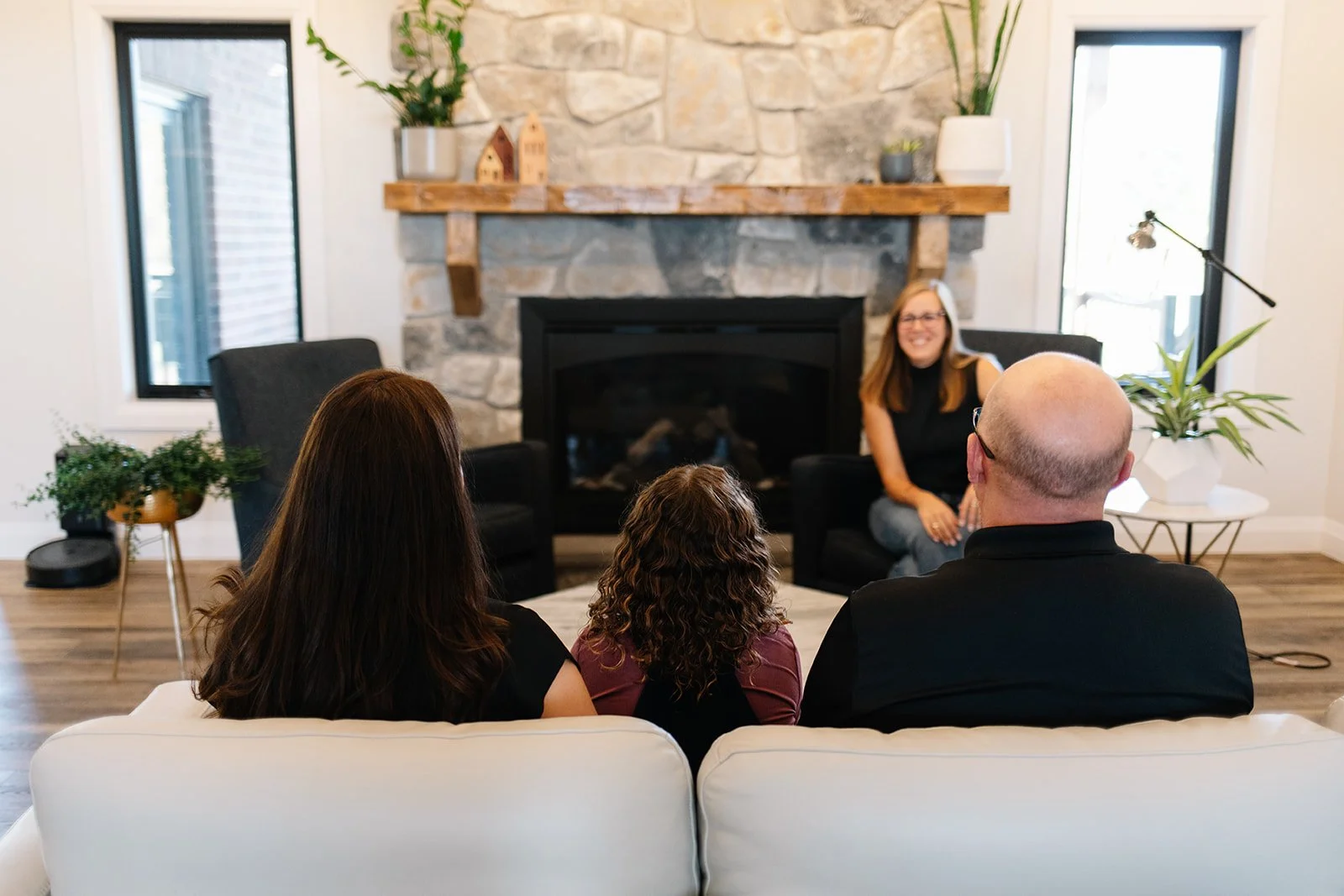
During SE sessions, practitioners will work with you to increase your nervous system capacity (aka support regulation) to begin this healing process and reduce these symptoms of stress and trauma. Your therapist might ask you things like “What sensation are you noticing in your body right now as we talk about this?”, “Is there anywhere in your body that feels different?”, “Are there any images that come with that sensation?”, etc.
Dyadic Developmental Psychotherapy
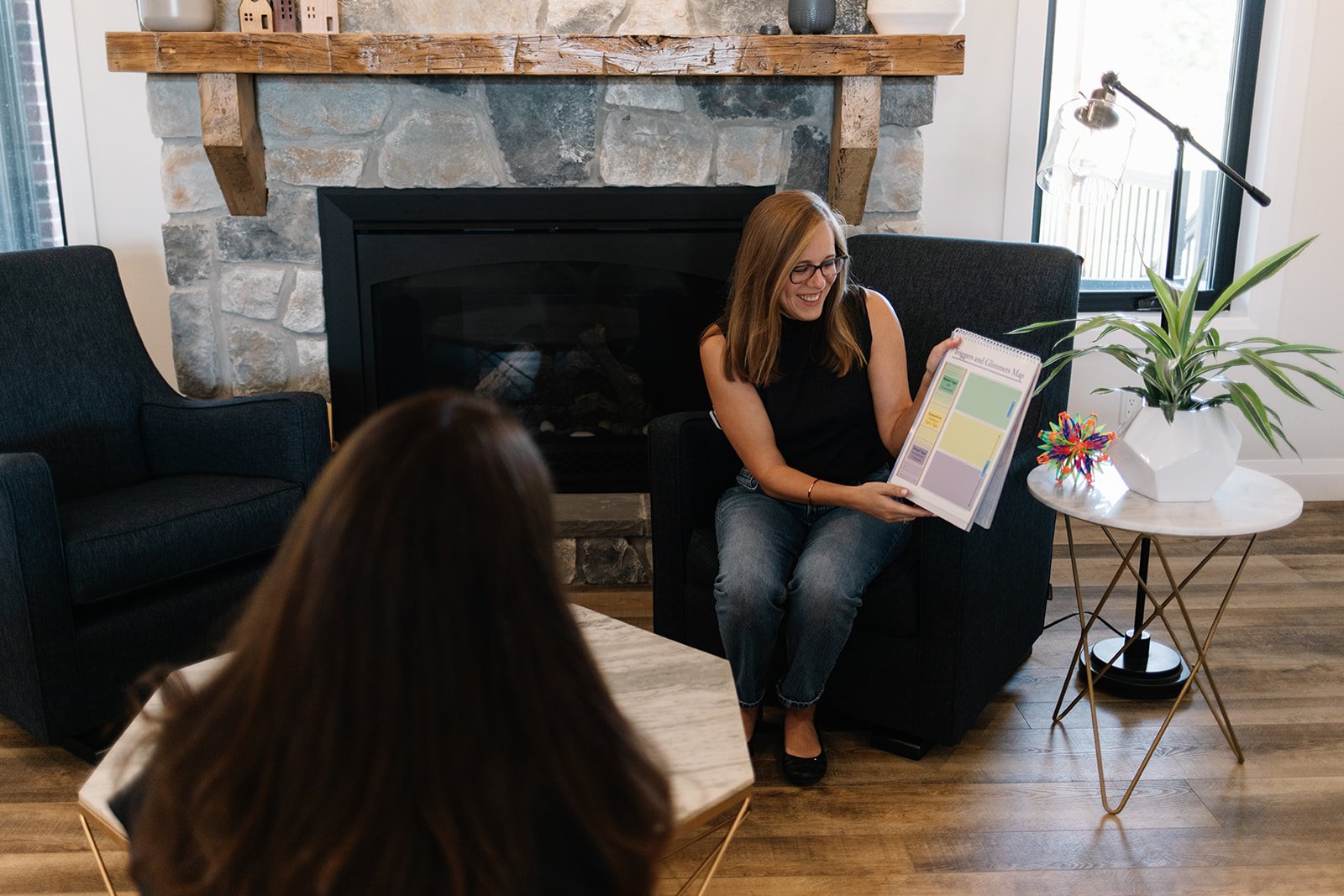
Dyadic Developmental Psychotherapy (DDP) is an attachment-based modality that supports children/youth who have experienced hurt and hardship and these experiences have shaped their development and relationships with others.
During DDP sessions, we will support the parents/caregivers with learning a trauma-informed approach to parenting and support them with this way of being with their child/youth in sessions. Together, we will support your child/youth with learning emotional regulation and interpersonal relationship skills. We may also integrate play, sandtray, art, and stories.
Solution Focused Therapy
Solution-Focused Therapy is a strengths-based, goal-oriented approach to counseling that helps clients focus on solutions rather than problems. Instead of exploring past difficulties in depth, this brief and collaborative therapy highlights what’s already working and builds on those strengths to support meaningful change. Solution-focused therapy is practical, empowering, and future-focused—helping individuals, couples, and families move forward with clarity, confidence, and achievable goals.P
Acceptance & Commitment Therapy
Acceptance and Commitment Therapy (ACT) is an evidence-based approach that helps individuals build psychological flexibility by learning to accept difficult thoughts and emotions while committing to actions aligned with their values. Rather than trying to eliminate distress, ACT supports people in creating meaningful, fulfilling lives through mindfulness, self-compassion, and purposeful change.

Eye Movement Desensitization & Reprocessing (EMDR)
EMDR Therapy (Eye Movement Desensitization and Reprocessing) is an evidence-based, trauma-informed approach that helps individuals process and heal from traumatic memories and distressing life experiences. EMDR uses guided bilateral stimulation—such as eye movements or tapping—to support the brain’s natural healing process, reducing emotional distress and negative beliefs linked to trauma. This effective therapy is commonly used to treat PTSD, anxiety, depression, and other trauma-related concerns, helping clients feel more grounded, resilient, and empowered to move forward
Play & Sandtray Therapy
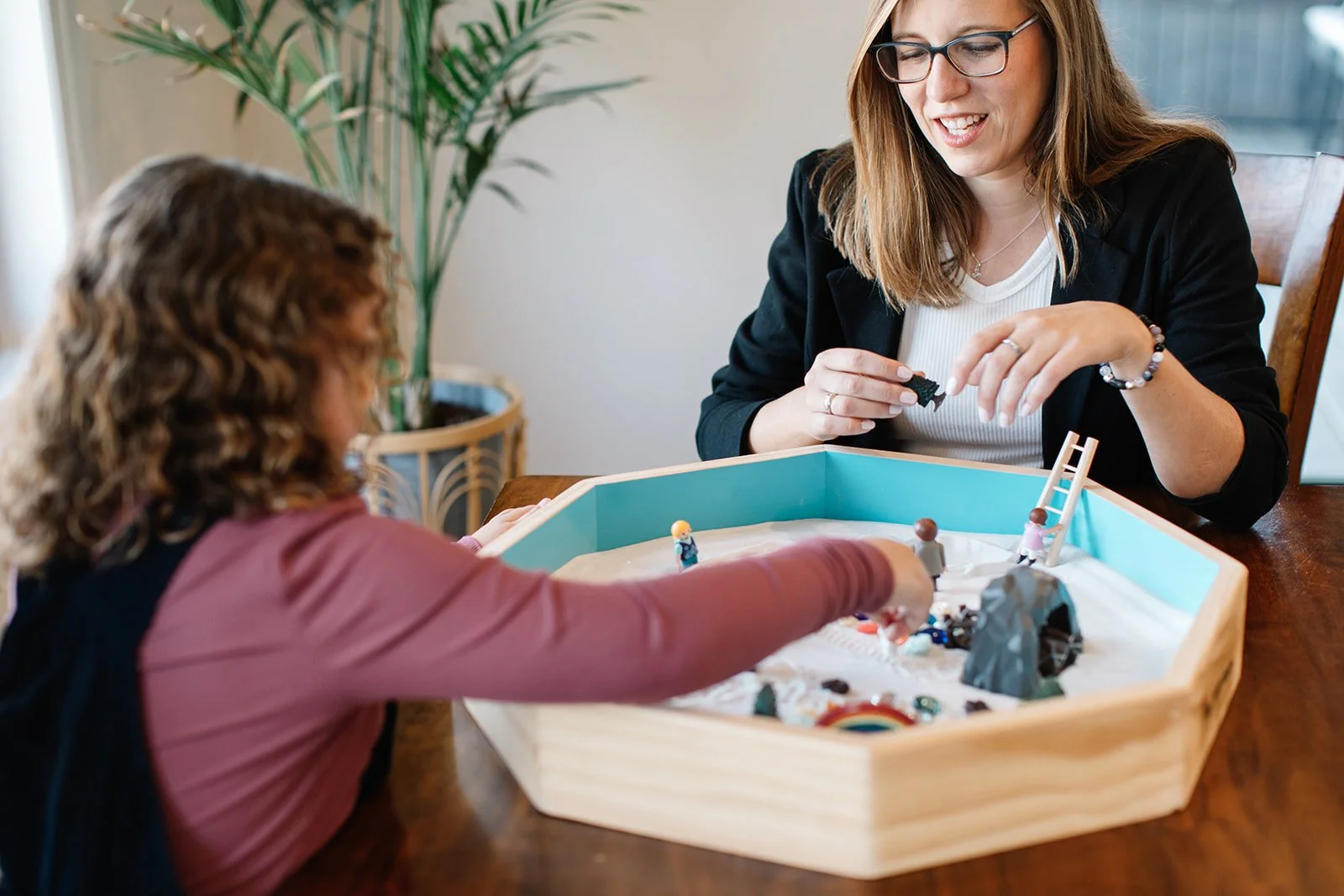
Play Therapy is a child-centered approach that helps children express emotions, process experiences, and develop coping skills through play. Play is a child’s natural language and as such, play therapy allows children to communicate thoughts and feelings they may not yet have words for. During a play therapy session, children use toys, games, and creative activities to work through challenges such as anxiety, trauma, behavioral concerns, emotional regulation difficulties, and family transitions. Play therapy supports healthy emotional development, resilience, and stronger relationships in a safe and supportive therapeutic environment
Sandtray Therapy is a gentle, experiential form of play therapy that uses sand and symbolic miniatures to help clients express thoughts and emotions that may be difficult to verbalize. Often used with children, teens, and adults, sandtray therapy supports emotional processing, self-awareness, and healing in a safe, supportive space.